Brakes are one of the few systems on a car designed to make noise before they wear out. Many brake pads carry a small metal tab, a wear indicator, whose whole job is to squeal against the rotor when the pad gets thin. That engineered squeak is an early warning, and it is only one of several sounds a braking system makes. Learning which sound means what turns a worrying noise into a clear decision: book a routine visit, or get the car in this week.
Drivers around Mooresville hear these noises in the same places: the stop-and-go crawl on the interstate, school zone braking, and wet mornings after the car sat through a Piedmont thunderstorm. Context helps the diagnosis, so note when the sound happens as carefully as the sound itself.
The main sounds and their usual causes
| Sound or feel | Usual cause | Urgency |
|---|---|---|
| High squeak while braking | Wear indicator, or glazed pads | Book soon; pads are near the end |
| Grinding while braking | Pad material gone, metal on rotor | This week; rotors are being damaged |
| Squeak only on damp mornings | Light surface rust on rotors overnight | Usually normal; clears after a few stops |
| Clicking or rattling over bumps | Loose pad hardware or worn clips | Book soon for inspection |
| Pulsation in the pedal | Rotor thickness variation or runout | Book soon; stopping feel will worsen |
| Soft or low pedal | Fluid leak, air, or hydraulic fault | Stop; do not drive on it |
Grinding is the sound that changes the economics. A pad replacement is routine maintenance. Once the pad's friction material is gone, the metal backing plate cuts grooves into the rotor with every stop, and rotors join the parts list. The brake system will still stop the car for a while in that condition, which tempts people to wait, but stopping distance grows as the damage does, quietly, stop by stop.
Feel matters as much as sound
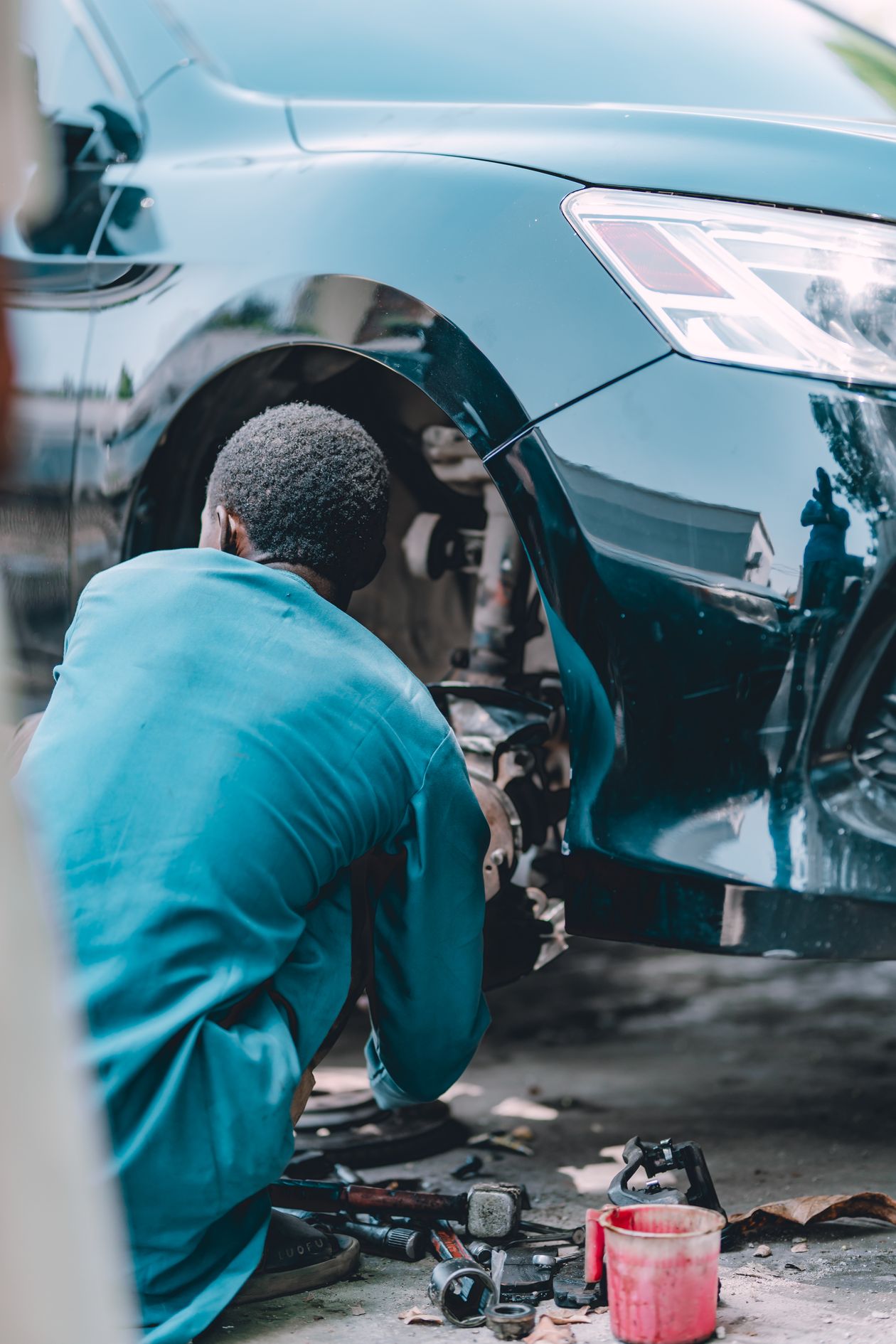
Some brake problems announce themselves through the pedal instead of the ears. A pedal that pulses under your foot at highway braking speeds points at the rotors. A pedal that slowly sinks at a stoplight, feels spongy, or travels much lower than it used to points at the hydraulic side: fluid, hoses, or the master cylinder. A car that pulls to one side under braking suggests one caliper working harder than its partner. Each of these is information a technician will ask about, so pay attention to which one you have.
Brake fluid deserves a mention here. It absorbs moisture from the air over time, which lowers its boiling point and corrodes internal parts from the inside. Many manufacturers recommend periodic fluid replacement for exactly this reason. In a humid climate, fluid condition is not a theoretical concern.
What a brake inspection actually measures
A proper brake check is measurement, not opinion. Pad thickness is measured in millimeters and compared against the minimum. Rotors are checked for thickness, scoring, and runout. Calipers and slide pins are checked for free movement, because a sticking caliper wears one pad fast and overheats that corner. Hoses are inspected for cracks and bulges, and fluid level and condition are noted. The report you want from any shop lists those numbers corner by corner, so you can see which brakes are done, which are close, and which are fine.
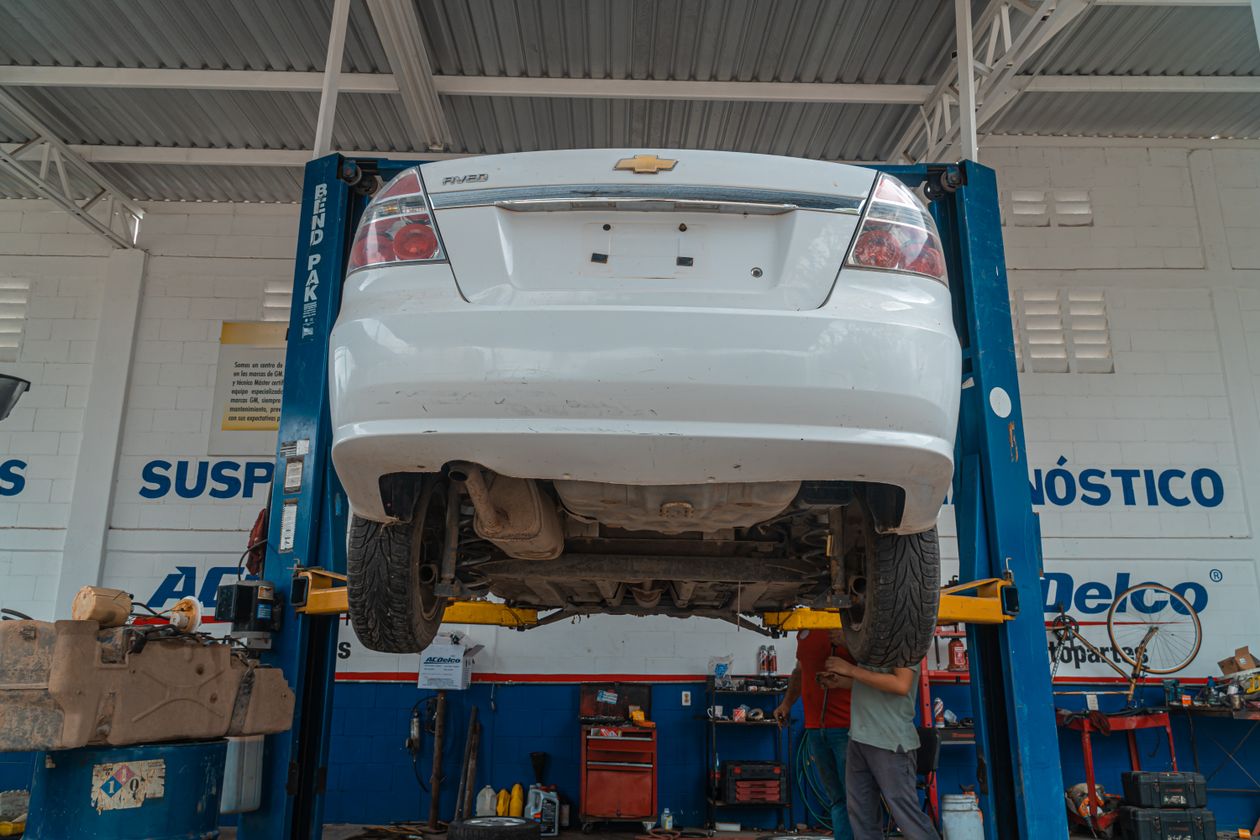
That measured approach matters because brake wear is rarely even. Front brakes do most of the work and wear fastest. One side may wear faster than the other if a caliper sticks. A driver who replaces brakes by sound alone, or by a calendar, will sometimes replace good parts and keep bad ones. Measurements end that guessing.
Season and storage add two local wrinkles. Cars that sit outside through Piedmont thunderstorms form surface rust on rotors overnight, and the first few stops the next morning can scrape or squeak until the pads wipe the rotors clean; that sound fades within a few stops and is normal. Cars that sit for weeks, at an airport or during an illness, can develop heavier corrosion and a sticking caliper, and a noise that persists past the first day of driving after storage deserves an inspection rather than patience.
Common questions
New brakes squeak sometimes. Is that normal?
Light squeak during the first days after a brake job can be normal as pads bed in. Grinding, or squeak that persists and grows, is not, and a quick recheck is reasonable.
How long do brake pads usually last?
It varies widely with driving pattern, from roughly twenty-five thousand miles of heavy stop-and-go use to well beyond sixty thousand of mostly highway driving. Measurement, not mileage, decides.
Can I just replace the pads and skip the rotors?
Sometimes, if the rotors measure within specification and are smooth. If they are scored, warped in feel, or near minimum thickness, reusing them causes noise and poor braking.
Photos in this guide are representative stock images.
← All guides from Bowles Automotive← Back to Bowles Automotive