Every year, North Carolina drivers renew a small ritual: the state inspection. Most people know it stands between them and a registration renewal, and that it takes under an hour, but few know what the inspector is actually required to check. That is a shame, because the inspection is a published checklist, and most failures come from a handful of items any driver can spot in a driveway in five minutes.
North Carolina runs two inspections in one visit for most vehicles: a safety inspection statewide, and an emissions inspection in the counties that require it, which includes the Mooresville area. Shops like Bowles Automotive that perform official inspections follow the same state standards, item by item. Here is the shape of it.
The safety inspection, item by item
The safety list covers the equipment that keeps you and everyone around you out of trouble. Brakes are checked for function and condition. Steering and suspension components are inspected for looseness and wear. All required lights must work: headlights, brake lights, turn signals, and the license plate light that everyone forgets. Tires need adequate tread depth and no dangerous damage. The horn, mirrors, windshield wipers, and window tint, where applicable, all have standards. The parking brake must hold. None of this is subjective taste; each item passes or fails against the state rule.
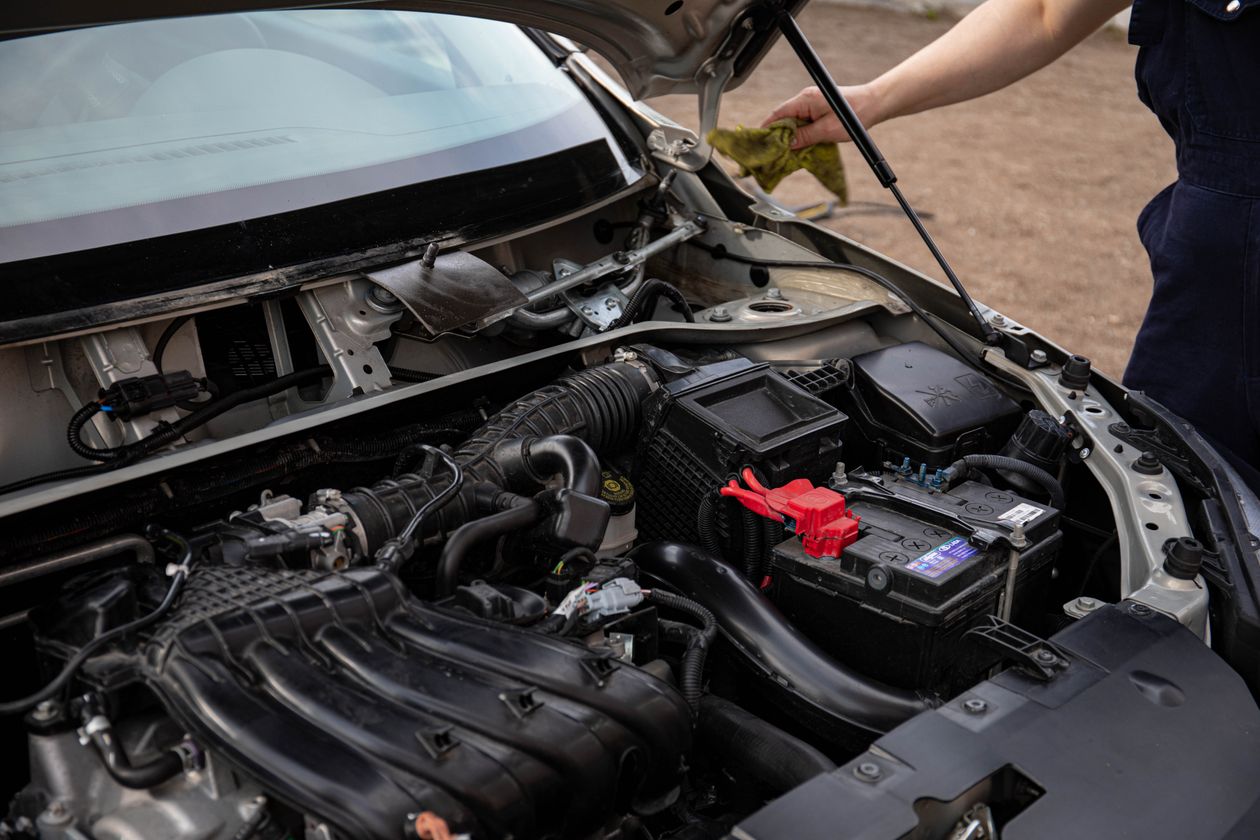
Two failure items deserve special mention because they surprise people. The first is tires: tread worn to the wear bars fails, and a visibly damaged sidewall fails even with good tread. The second is the check engine light. In emissions counties, an active light tied to the emissions system is an automatic failure, because the car's own computer is reporting that it cannot verify its emissions controls are working.
The emissions inspection is mostly a computer conversation
For most gasoline vehicles of recent decades, there is no tailpipe probe. The inspector connects to the car's onboard diagnostic system and asks it two questions: are the emissions monitors complete, and are any faults stored? The monitors are self-tests the car runs during normal driving. This is why a recently replaced battery or a recently cleared code can cause a failure even with no light on: the monitors have not had enough driving to run again, and the system reports not ready.
- Drive the car normally for several days. Monitors need varied driving, including some steady highway time, to complete after a battery change or code clear.
- Walk the lights. Have someone watch while you test headlights, brake lights, turn signals, and reverse lights.
- Check the tires. Look for wear bars showing, uneven wear, or sidewall cracks and bulges.
- Top up and look under. Note any active leaks, and make sure wipers clear the windshield without streaking.
- Bring the light problem first. If the check engine light is on, get it diagnosed before the inspection visit, not during it.
Timing, deadlines, and the registration link
Your inspection and registration renewal are linked in North Carolina: the inspection must be completed before the registration can be renewed, and the state gives you a window ahead of your registration expiration month to get it done. Doing the inspection early in that window is the calm approach, because a failed item then leaves you weeks to repair and re-inspect instead of days. Vehicles that fail get a window to fix the item and return for a recheck of that item.
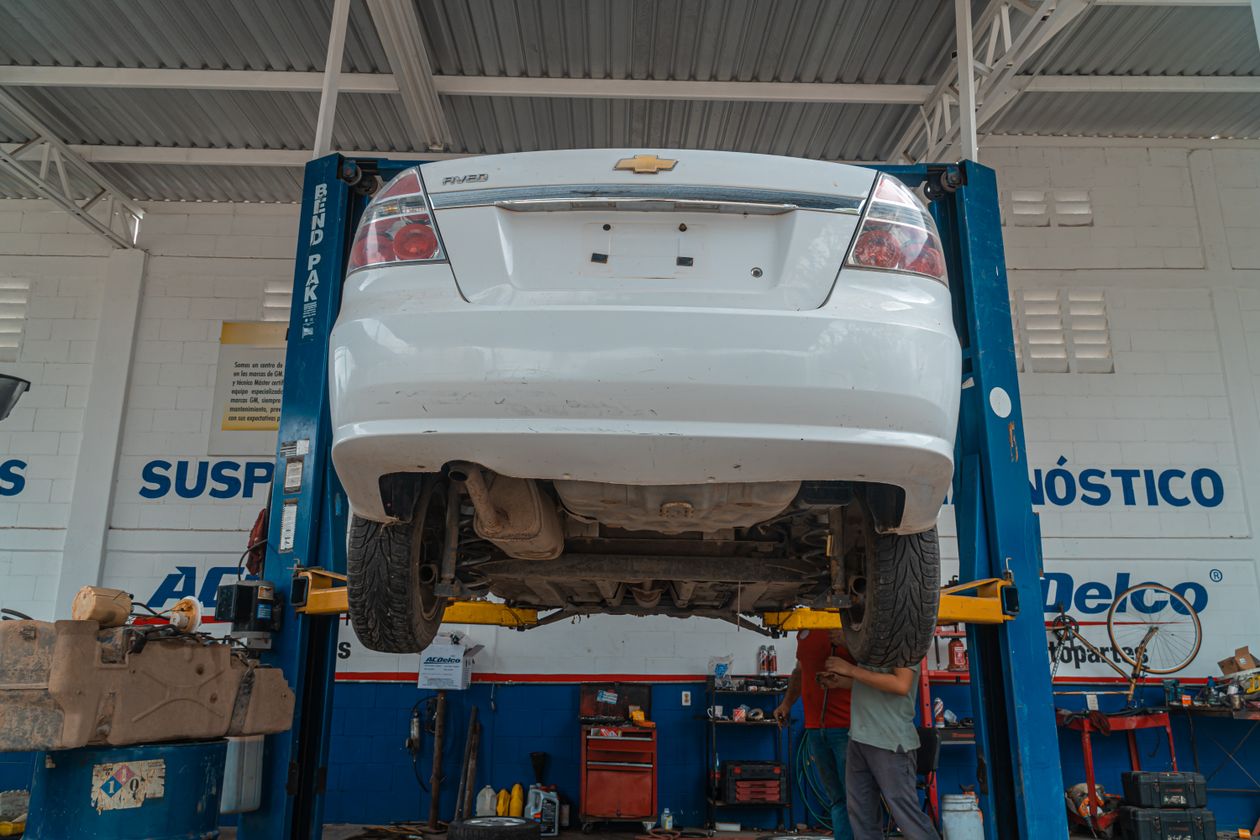
Newer vehicles and certain categories have exemptions that change by model year and fuel type, and the rules update over time. When in doubt, ask the inspection station when you schedule. What does not change is the principle: the inspection is a floor for safety and emissions, not a full health report on your car. Passing does not mean nothing is wearing out, and a good shop will tell you the difference between a failed item, a soon item, and a watch item.
One more preparation habit pays off: schedule the inspection with a shop that can also handle the likely repairs. If a tire, bulb, or brake item fails, you will want the fix and the recheck in the same relationship rather than a second round of appointments across town. Drivers who treat the inspection as their car's annual physical, with a regular shop keeping the history, tend to hear fewer surprises each year, because last year's watch items become this year's planned work instead of this year's failure notice.
Common questions
How long does a state inspection take?
Typically thirty minutes or less for a vehicle without problems. A busy day or a vehicle needing closer checks can stretch that, so scheduling ahead helps.
What is the most common reason cars fail?
Worn tires, burned-out bulbs, and an active check engine light account for a large share of failures. The first two are quick driveway checks.
My light is off but I recently changed the battery. Will I pass?
Maybe not yet. The emissions monitors may still show not ready. Several days of normal mixed driving usually completes them.
Photos in this guide are representative stock images.
← All guides from Bowles Automotive← Back to Bowles Automotive