Ask ten drivers how often oil should be changed and you will hear ten confident answers, most of them inherited from a parent, a sticker, or a car they owned in 2004. The truth has become more specific and more forgiving at the same time. Modern engines and modern synthetic oils last longer between changes than the old rule suggested, but the right interval for your car depends on the manufacturer's schedule, the oil your engine requires, and the kind of driving Mooresville actually asks of it.
Short trips dominate suburban driving: school runs, grocery stops, a commute that ends before the engine fully warms. That pattern is harder on oil than highway miles, which surprises people. Here is how to find your real number.
Start with the manual and the monitor
Your owner's manual lists a normal schedule and, in most cases, a severe-service schedule. Severe does not mean racing. It typically means frequent short trips, stop-and-go traffic, towing, or dusty conditions, which describes a large share of daily driving around Lake Norman. Many current vehicles also run an oil life monitoring system that calculates remaining oil life from engine temperature, revolutions, and trip patterns. That monitor is not a gimmick; it is the manufacturer's own math applied to your actual driving, and following it is defensible in a way that guessing is not.
Notice what is not on that list: a universal number. A low-mileage driver who makes forty short trips a month may need oil sooner, in time terms, than a highway commuter covering the same miles in long, fully warmed runs. Time matters as well as distance, because oil accumulates moisture and fuel dilution from cold starts that only a full warm-up burns off.
What oil does while it waits
Engine oil has several jobs: lubricating moving parts, carrying heat away, holding contaminants in suspension until the filter and the next change remove them, and protecting surfaces from corrosion. As oil ages in service, its additives deplete and its ability to hold contaminants declines. Short-trip driving accelerates the contamination side, since the engine spends more of its life cold and rich-running. Highway driving is gentler per mile, which is why interval advice that ignores driving pattern misses the point.
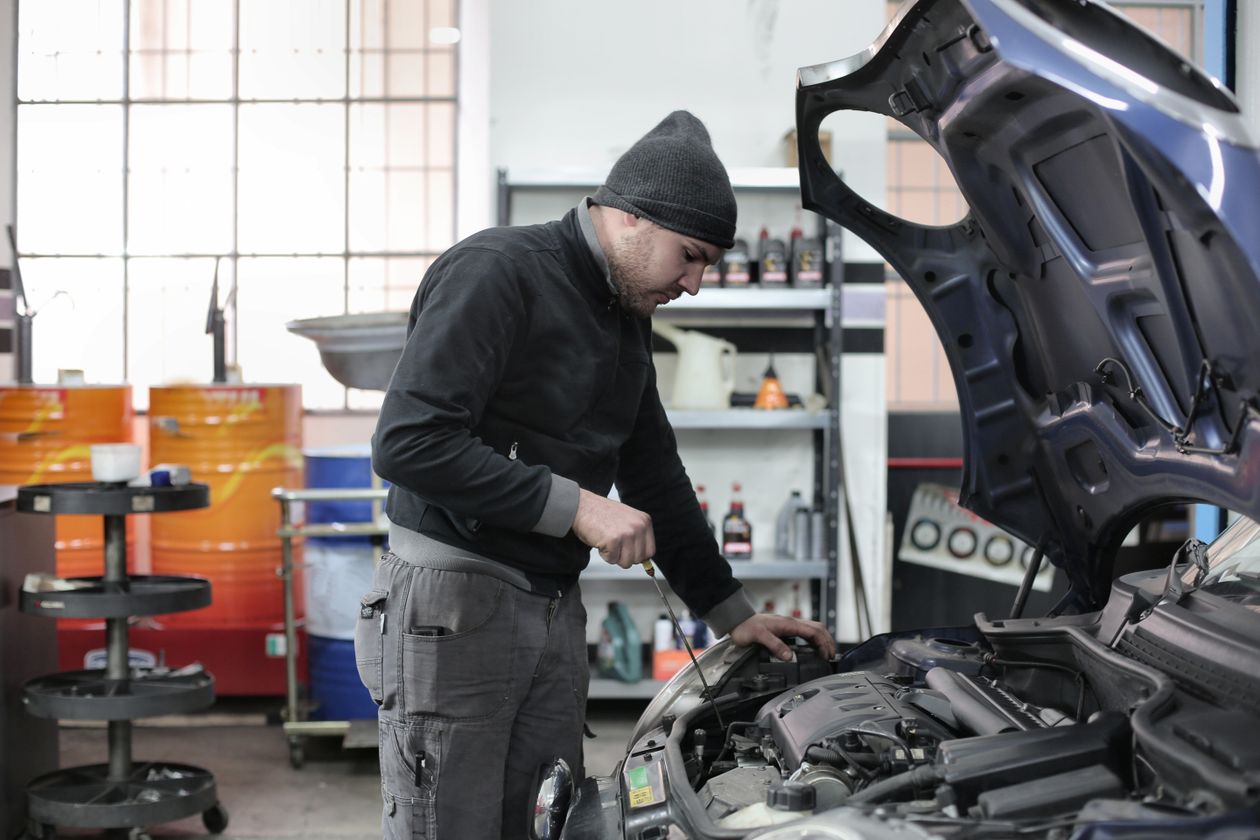
The filter matters as much as the oil. A filter loaded with a full interval of debris restricts flow and protects less. Changing oil without the filter, or stretching intervals so far that the filter becomes the weak link, saves a small amount of money against the most expensive component in the car.
Signs you have stretched it too far
Dark oil alone is not proof of a problem; oil darkens as it picks up contaminants, which is its job. Real warning signs are a low oil level on the dipstick between changes, a gritty feel when you rub a drop between your fingers, new engine noise at startup, or a maintenance reminder long past zero. Low level is the urgent one. Engines that consume oil slowly can run dangerously low before the next scheduled change, which is why a monthly dipstick check remains good practice even on cars with monitors.
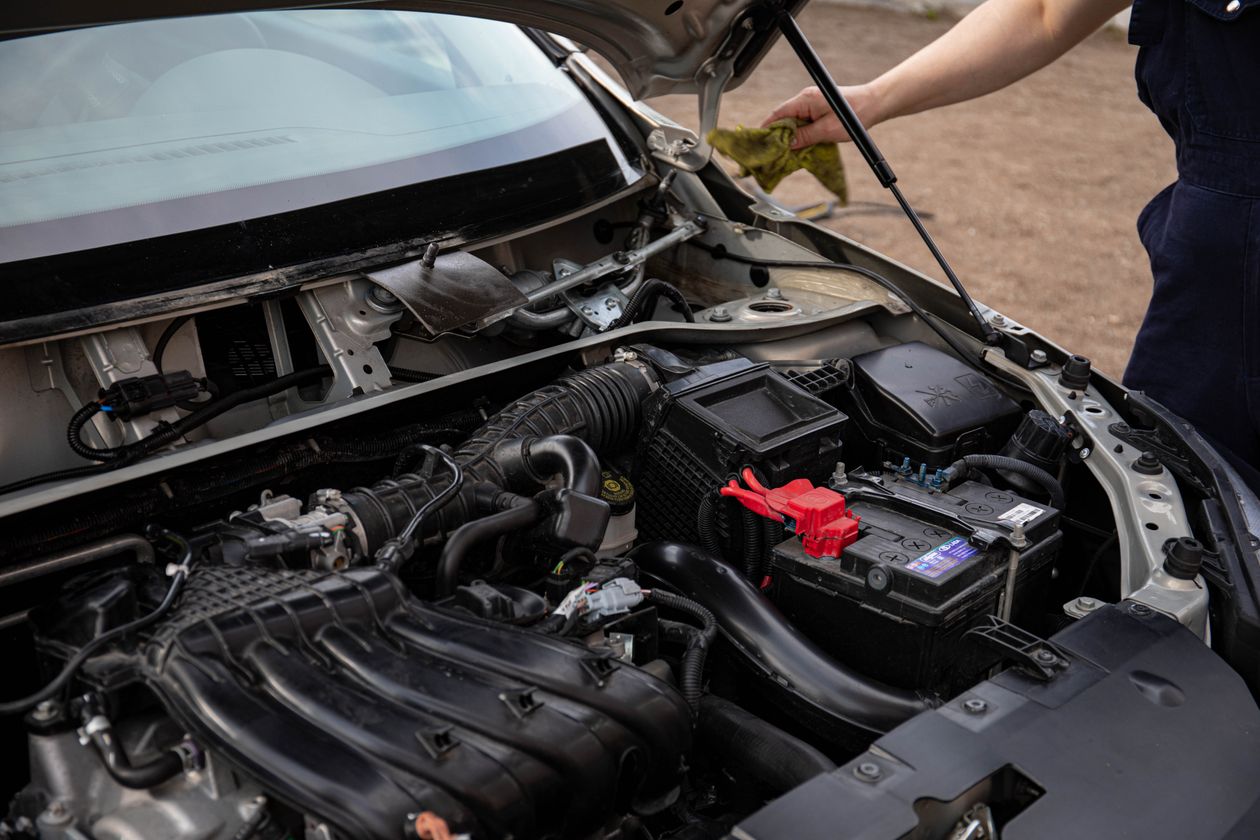
An oil service at a full-service shop doubles as a health check: tires, brakes, belts, hoses, battery, and fluids all get eyes on them while the car is already on the lift. For many Mooresville drivers, that inspection is the real value of staying on schedule. It is how a worn belt gets found in a bay instead of on I-77.
A last word on records: keep them. A simple folder or phone note with dates and mileage for each oil service protects you twice. It proves maintenance if a warranty question ever arises, and it shows the next technician your car's real pattern, which sharpens every recommendation they make. Shops can often pull history for work they performed, but a complete record across years and providers belongs to the owner. Five minutes of bookkeeping per visit is the cheapest insurance in car ownership.
Common questions
Does synthetic oil let me go longer?
Synthetic oil supports the longer intervals many manufacturers now specify, and it protects better in heat and cold starts. It does not erase the severe-service schedule if your driving matches it.
My car barely gets driven. Can I skip a year?
No. The time limit exists because oil degrades and accumulates moisture in a sitting engine. Low-mileage cars still need at least annual changes.
Should I follow the sticker or the dash monitor?
Follow the manufacturer's guidance: the manual and the oil life monitor. A windshield sticker is a reminder based on a shop's default interval, which may be more conservative than your car requires.
Photos in this guide are representative stock images.
← All guides from Bowles Automotive← Back to Bowles Automotive