Cars in the Piedmont do not wear out evenly across the year. They wear out in seasons. Summer heat cooks batteries and stresses cooling systems. Spring pollen loads every filter the car owns. Fall is inspection and tire season before holiday travel. Winter cold, mild as it is here, still finds weak batteries and old coolant. A driver who matches a few checks to the calendar avoids most of the failures that fill Mooresville shops in predictable waves.
None of this requires mechanical skill. It requires timing: doing the small check in the month when it is cheap and easy, instead of the emergency version in the month when it is neither.
Spring: pollen, filters, and air conditioning
March through May coats everything in the yellow-green dust this region is famous for. Your engine air filter and cabin air filter spend those months working overtime. A clogged cabin filter is why the air conditioning smells stale and blows weakly; a clogged engine filter quietly costs performance. Spring is also the honest time to test the air conditioning, on a mild day, before the first ninety-degree week turns a weak system into a sweaty emergency and every shop's schedule fills with the same problem.
- Spring. Replace or check both air filters, test the air conditioning, inspect wiper blades after winter, and check tire pressure as temperatures swing.
- Summer. Test the battery, check coolant level and condition, watch tire pressure in heat, and keep an eye on belts and hoses before road trips.
- Fall. Handle the state inspection early, check tires and brakes before holiday travel, test the heater and defroster, and replace wipers if they streak.
- Winter. Confirm coolant protection, keep the battery terminals clean, check tire tread for wet roads, and keep the fuel tank fuller to reduce condensation.
Summer: heat is a system-wide stress test
Heat attacks the car from several directions at once. Battery life shortens in hot climates, because heat speeds the internal chemistry that ages a battery; many Piedmont battery failures that surprise drivers in fall were earned in July. Coolant and hoses work at their hardest, and a marginal radiator cap or a soft hose chooses a summer traffic jam to retire. Tires run hotter and underinflated tires run hotter still, which is why summer blowouts on the interstate are a pattern and not bad luck.
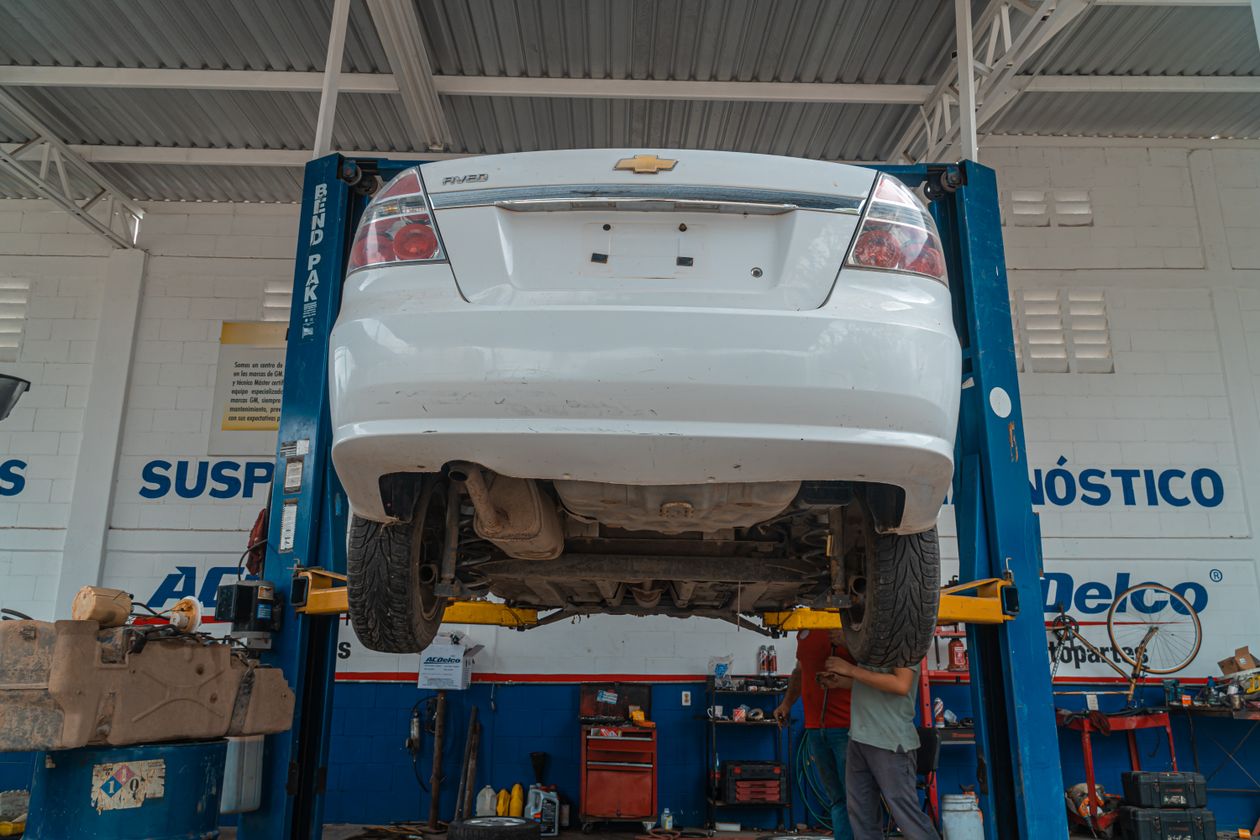
Summer thunderstorms add one more item: water. Check that your wipers actually clear the glass, that the defroster works, and that door and trunk seals are not letting water into places it does not belong. A musty smell after storms usually means water is getting in somewhere, and finding the entry point early prevents electrical and mold problems later.
Fall and winter: the quiet preparation months
Fall is the administrative season: state inspection, registration, and the tire and brake check that should precede holiday driving. Do them in October rather than the last week of your renewal month and every step gets easier, including getting an appointment. Fall is also when to test the heater and both defrosters, on a cool morning, while a failure is an inconvenience instead of a fogged windshield on a dark commute.
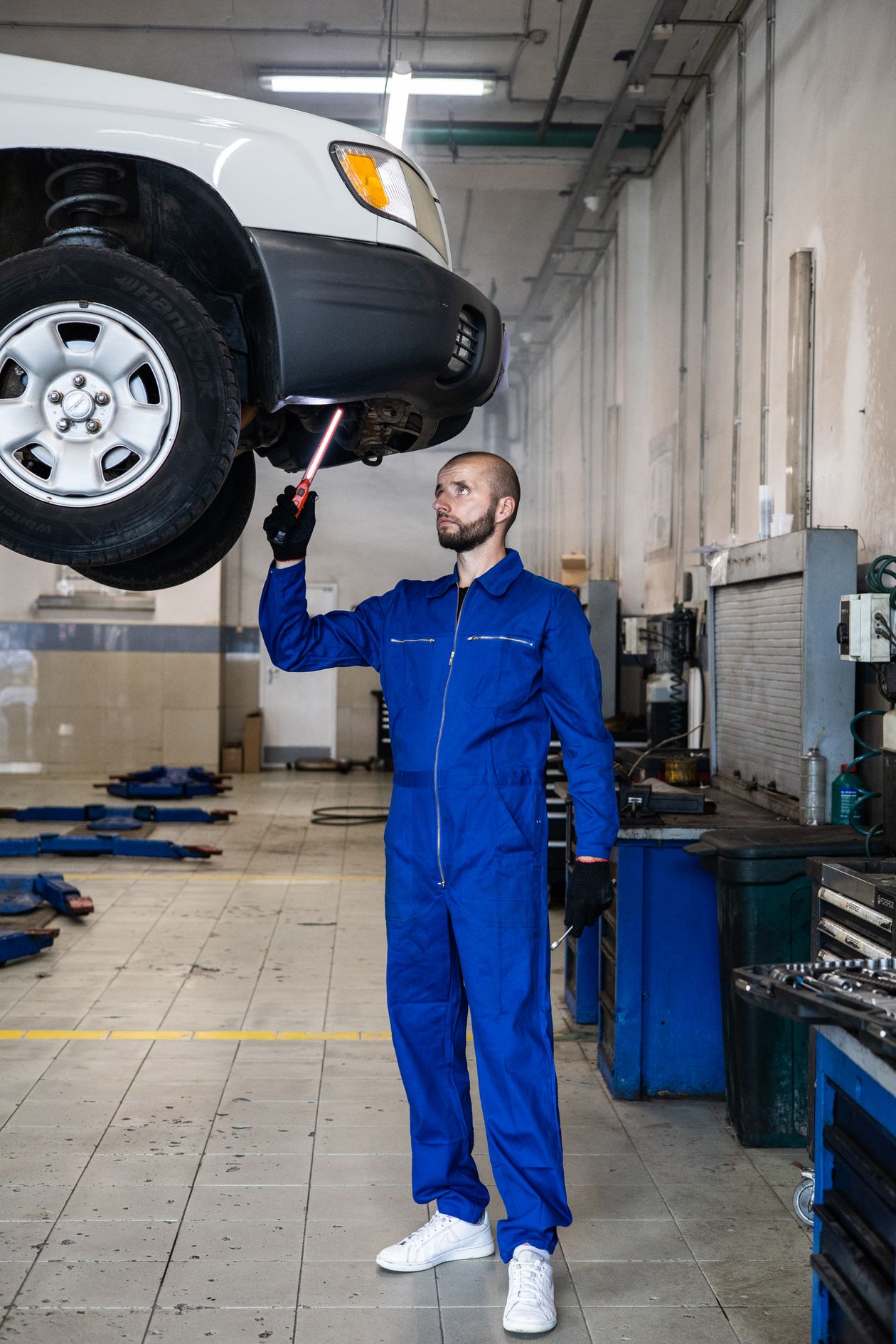
Piedmont winters are mild but not harmless. The occasional ice storm and the cold snaps between them test batteries, tire tread on slick roads, and coolant that has drifted out of specification. Keep tires properly inflated as temperatures drop, since pressure falls with the cold, and take the low tire pressure light seriously on the first frosty morning rather than assuming it is lying. It usually is not.
The thread that runs through all four seasons
Every item on this calendar is a small check attached to a predictable stress. That is the whole philosophy: vehicles rarely fail at random, they fail at the intersection of a worn part and a hard week. A shop that sees your car regularly across the seasons learns its patterns the way you learn the calendar, and the visits stop being reactions. For Mooresville drivers doing real miles in real Carolina weather, that rhythm, two planned visits a year, timed to the seasons, prevents more breakdowns than any single repair ever will.
Common questions
Why do batteries here fail in fall if heat is the problem?
Heat does the damage gradually through summer. The first cold mornings then demand more from a weakened battery, so the failure shows up in fall even though the aging happened in July.
How often should the cabin filter really be changed?
Manufacturer intervals vary, often in the range of once a year or every fifteen to twenty thousand miles. Pollen-heavy Piedmont springs push many cars toward the shorter end.
Is a seasonal check different from regular maintenance?
It is regular maintenance, timed. Oil, brakes, and fluids follow their own schedules; the seasonal checks add the items your climate is about to stress.
Photos in this guide are representative stock images.
← All guides from Bowles Automotive← Back to Bowles Automotive