A transmission almost never fails silently. Weeks or months before a serious problem, most transmissions start sending small signals: a shift that feels different, a pause before the car moves, a spot on the driveway that was not there before. Drivers miss these signals because each one, alone, seems minor. Together they are the transmission asking for attention while the repair is still the smaller kind.
Shops in Mooresville see the same pattern every season. A car comes in for something routine, the technician notices a shift flare or a low fluid level, and a manageable service prevents a major failure. Or a car comes in on a tow truck after months of symptoms. The difference between those two visits is usually just timing. Here are the signs worth acting on.
Changes in how it shifts
An automatic transmission should shift so smoothly that you mostly notice the tachometer move. Warning signs include a noticeable delay when you shift from park to drive or reverse, a shudder or slip during acceleration where the engine revs but the car does not respond in step, hard or clunking shifts, and shifts that happen at odd times, too early, too late, or hunting between gears on a steady hill. Manual transmissions talk differently: grinding into gear, popping out of gear, or a clutch that engages at a very different point than it used to.
- Delay of more than a second or two before drive or reverse engages
- Engine revs rising without matching acceleration, which is slipping
- Hard, jerky, or clunking shifts that were not there before
- Shuddering at steady speeds, often felt around town speeds
- Red or dark fluid spots under the middle of the car
- A burning smell after driving, especially in summer heat
- New whining, humming, or buzzing that changes with speed
Any one of these earns a diagnostic visit. Two or more together earn it this week. Slipping in particular should not be tested repeatedly on the road; every slip generates heat and wear inside the unit.
Fluid: the cheapest information you will ever get
Transmission fluid does more than lubricate. In an automatic, it is the hydraulic medium that makes shifts happen, and it carries heat away from the unit. Healthy fluid is typically red and translucent. Dark brown fluid, fluid with a burnt smell, or a low level all point to problems, and a leak is serious in a way an oil drip is not, because many modern transmissions have no dipstick and lose fluid silently until function suffers.

Fluid service intervals vary widely by manufacturer and model, and some units are marketed as sealed. Sealed does not mean the fluid lasts forever; it means there is no dipstick and service requires shop equipment. If your vehicle has high miles and a shift complaint, ask the shop to start with fluid condition and level where the design allows it. A surprising share of shift complaints trace back to fluid that is low, old, or both.
Heat, hills, and Piedmont driving
Heat is the transmission's main enemy, and the local driving pattern supplies it generously. Summer temperatures, stop-and-go traffic on the interstate, towing a boat toward Lake Norman, and long grades all raise transmission temperature. Heat breaks fluid down faster, and broken-down fluid protects less, which makes more heat. That spiral is why a transmission that feels fine in April can start slipping in August.
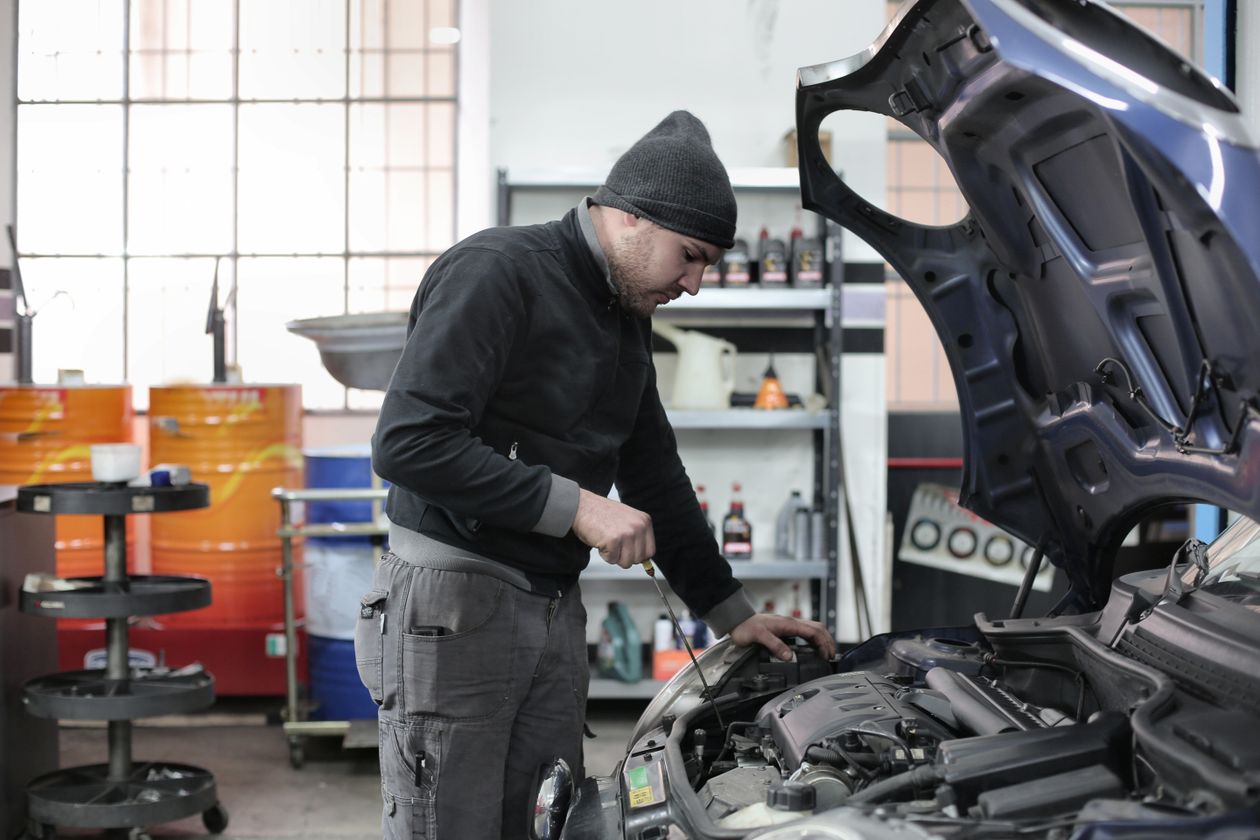
Not every shift problem is the transmission itself. Modern units take orders from the car's computer, which reads engine sensors to decide shift timing. A failing sensor, a misfiring engine, or even low system voltage can produce shift complaints that vanish when the real fault is repaired. This is why a proper diagnosis tests before it condemns, and why the honest answer to a shift complaint is sometimes an engine repair instead of a transmission one.
When to stop driving it
Park the car and arrange a tow if the transmission slips severely, will not engage a gear, makes loud grinding or banging noises, or leaks fluid at a rate that leaves a growing puddle. Driving through those symptoms converts internal wear into internal destruction. For milder symptoms, drive gently, avoid towing and heavy loads, keep trips short, and get the diagnosis scheduled. Transmissions reward early attention more than almost any other system on the car.
Common questions
Can a fluid change fix a slipping transmission?
Sometimes, if the cause is low or degraded fluid and no internal damage has been done yet. If slipping has continued for a while, fluid alone rarely reverses the wear, which is why early visits matter.
Why does my car shift fine when cold and poorly when warm?
Fluid thins and internal clearances change as the unit warms up, so marginal problems often appear only at full temperature. Tell the technician; that pattern is useful diagnostic information.
Is a transmission problem always a replacement?
No. Sensors, solenoids, leaks, fluid service, and software issues account for many shift complaints. Replacement is the last resort, after testing rules out the smaller causes.
Photos in this guide are representative stock images.
← All guides from Bowles Automotive← Back to Bowles Automotive